
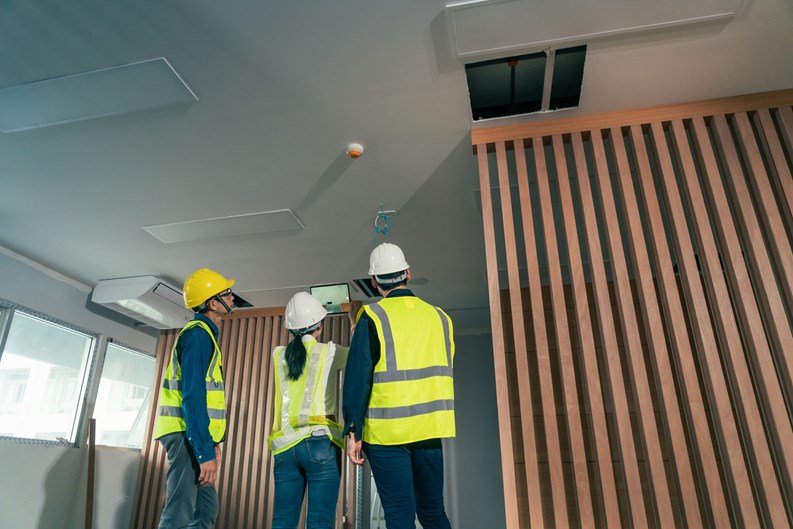
Condo milestone inspections are no longer optional — and delay is not a strategy.
Condo milestone inspections are now a mandatory reality across Florida, forcing condominium associations and boards to confront structural condition, deferred maintenance, and long-delayed repair work.
In 2026, the question is no longer if inspections and repairs will happen — but how well boards plan, document, and execute them.
Poor planning leads to:
- Missed deadlines
- Emergency assessments
- Contractor shortages
- Failed re-inspections
This guide explains what condo milestone inspections require, key deadlines, the repair scope that commonly follows, and how boards should plan projects to stay compliant and financially controlled.
What Are Condo Milestone Inspections?
Condo milestone inspections are state-mandated structural evaluations required for qualifying condominium buildings under Florida law.
They are designed to:
- Identify structural deterioration
- Address life-safety risks
- Force long-deferred repairs into action
The inspection focuses on load-bearing components, including:
- Structural framing
- Foundations
- Load-bearing walls
- Floor and roof systems
- Exterior walls and balconies
These inspections are not cosmetic — they are structural and enforceable.
Milestone Inspection Deadlines: What Boards Must Know
Deadlines are based on building age and location, with stricter timelines for coastal properties.
In general:
- Buildings 30 years old must complete milestone inspections
- Coastal buildings may trigger inspections at 25 years
- Subsequent inspections occur on a defined cycle
Once triggered, boards must:
- Complete the inspection
- Submit reports
- Address required repairs within defined timelines
Failure to act exposes associations to state enforcement, insurance issues, and liability risk.
What Repair Scope Typically Follows Milestone Inspections
Milestone inspections almost always lead to mandatory repair work.
Common findings include:
- Concrete spalling and corrosion
- Balcony and slab deterioration
- Waterproofing failures
- Roofing system deficiencies
- Exterior envelope issues
These are not “recommended” repairs — they are required to remain compliant.
Roof systems frequently intersect with structural and waterproofing scope, which is why associations often coordinate repairs with specialized roofing partners such as Roof Roof, ensuring roof-related findings are corrected properly and documented.
Why Repair Planning Matters More Than the Inspection Itself
The inspection identifies problems — but execution determines outcomes.
Boards that rush directly from inspection to bidding often face:
- Incomplete scopes
- Change orders
- Contractor disputes
- Cost overruns
- Failed follow-up inspections
At TOLT Construction milestone-driven repair work is approached as a construction management problem, not a checklist exercise.
Proper planning includes:
- Translating reports into buildable scope
- Sequencing structural, roofing, and exterior repairs
- Aligning permits and inspections
- Managing documentation for compliance
How Condo Boards Should Plan Milestone Repair Projects
1. Treat Repairs as Capital Construction Projects
Milestone repairs are not maintenance — they are capital improvements that require licensed general contractor oversight.
2. Coordinate Structural and Roofing Scope
Structural repairs often require:
- Roof access
- Temporary waterproofing
- Envelope coordination
Ignoring this relationship creates delays and rework.
3. Budget for Execution, Not Just Repairs
Boards must plan for:
- Permits
- Engineering coordination
- Inspection sequencing
- Contingency allowances
Under-budgeting creates emergency assessments later.
4. Communicate Early With Owners
Transparency reduces resistance. Clear scope, timelines, and rationale matter.
How Investors and Buyers Are Impacted
Milestone inspections increasingly affect:
- Unit values
- Financing
- Insurance
- Marketability
Investors and buyers encountering milestone-driven repair exposure must assess cost-to-cure, not just listing price.
This is where inspection-to-execution clarity — like the approach used byJ Reyes Investments — helps translate inspection findings into real financial impact, protecting deal viability.
Common Mistakes Condo Boards Must Avoid
- Waiting until deadlines approach
- Treating inspections as paperwork only
- Hiring vendors without milestone experience
- Underestimating roof and envelope scope
- Failing to align engineering and construction
These mistakes turn manageable projects into crises.
Final Takeaway
Condo milestone inspections are here to stay — and the repair work that follows is unavoidable.
Boards that succeed:
- Plan early
- Treat repairs as capital projects
- Coordinate structural and roofing scope
- Use contractor-led execution
- Document everything
Those that delay pay more — financially and operationally.
Need Help Planning Milestone Inspection Repairs?
If your association is facing milestone inspections or required structural repairs, early construction planning is critical.
👉 Contact TOLT Construction to review inspection findings and build a compliant, well-sequenced repair plan.