
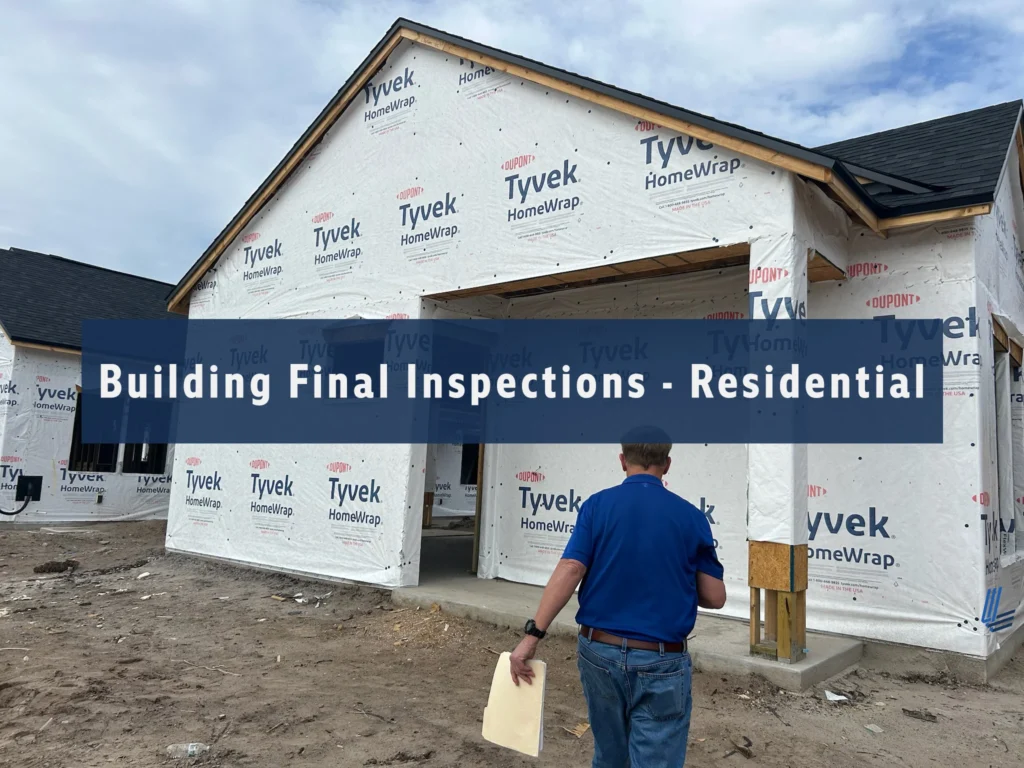
Florida permits 2026 are changing how residential projects move forward.
Florida permits 2026 mark a major shift in how residential renovations, inspections, and approvals are handled under HB 267. For homeowners, real estate investors, and agents, these changes directly affect timelines, approval risk, and inspection outcomes.
In 2026, permits are no longer procedural paperwork — they are a gatekeeper to closing, insurance approval, and transaction certainty. Projects that fail to align scope, documentation, and execution are far more likely to face delays or failed inspections.
At TOLT Construction, permits are managed as part of construction execution, not as a disconnected administrative task.
Florida Permits 2026: What HB 267 Changes for Residential Projects
HB 267 was designed to standardize and tighten how Florida jurisdictions review, approve, and inspect residential construction projects. In practice, Florida permits 2026 now involve:
- Stricter documentation requirements
- Less tolerance for incomplete or changing scopes
- Faster rejection of permits that don’t match field conditions
This is especially important for interior renovations, inspection-driven repairs, and projects tied to resale or insurance compliance.
Guesswork no longer works. Permits must reflect real construction scope from day one.
Florida Permit Timelines in 2026: Where Delays Actually Happen
One of the biggest misconceptions about Florida permits 2026 is that delays are caused only by cities or counties. In reality, most delays come from:
- Incomplete or vague scopes
- Poor trade sequencing
- Mismatches between interior work and exterior systems
Interior renovations that impact electrical, plumbing, layouts or openings now receive additional scrutiny. When these elements are not properly coordinated under a licensed general contractor, inspections fail and approvals reset.
This is why interior renovations tied to permitting should always be executed under professional construction management.
👉 Learn more about coordinated interior and system upgrades at https://toltcgc.com/residential-construction
Window and Door Rules: A Major HB 267 Pressure Point
One of the most common inspection failures under Florida permits 2026 involves windows and doors.
HB 267 requires:
- Verified product approvals
- Installation methods that match approved plans
- Consistency between interior scope and exterior openings
When interior renovations change layouts, wall openings, or energy performance, window and door scope must align precisely with permit documentation.
TOLT Construction routinely coordinates this work with trusted exterior and roofing specialists at https://roofccc.com, ensuring envelope-related inspections pass the first time.
How Florida Permits 2026 Impact Inspection Outcomes
Passing inspection in 2026 is less about speed and more about clarity and coordination.
Projects that pass inspection the first time typically include:
Clear Cost-to-Cure and Repair Documentation
Inspection reports must be translated into permit-ready scope, not informal repair lists.
This is why firms such as https://jreyesinvestments.com focus on inspection-to-close execution — converting inspection findings into documented, buildable plans that cities and inspectors can approve.
Interior Renovations That Match the Permit Set
Any interior renovation affecting systems or structure must be reflected accurately in the approved plans.
Single-Point Accountability
Fragmented vendors increase risk. A licensed general contractor keeps permits, trades, and inspections aligned.
Florida Permits 2026 and Transaction Risk
Florida permits 2026 introduce less tolerance for undocumented changes, rushed repairs, and uncoordinated execution. For homeowners, this increases the risk of failed inspections. For investors and agents, it increases transaction risk when repairs are poorly planned.
Projects led by licensed contractors who align permits, construction scope, and inspection sequencing from the start are far more likely to avoid rework, prevent approval resets, and close on time.
Why Contractor-Led Execution Matters in 2026
Many homeowners and investors still attempt to manage permits independently or through fragmented vendors. Under HB 267, this approach significantly increases risk.
At TOLT Construction, permitting is integrated into construction execution:
- Permits aligned with real scope
- Trades sequenced intentionally
- Inspections scheduled strategically
- Documentation handled proactively
This approach reduces delays, prevents failed inspections, and keeps transactions moving.
Avoid Delays. Pass Inspection. Protect the Deal.
Florida permits 2026 reward preparation — not shortcuts.
If your project involves interior renovations, inspection repairs, or window and door scope, execution clarity is the difference between approval and delay.
👉 Contact TOLT Construction to review your project and ensure permitting, construction, and inspections are aligned from day one.